

Episode Summary
Aviation and cybersecurity are two passions for Jim Aldridge. Jim is a practical cyber risk management professional and the Vice President for Partnerships at MOXFIVE. He has been in cybersecurity for over 20 years.
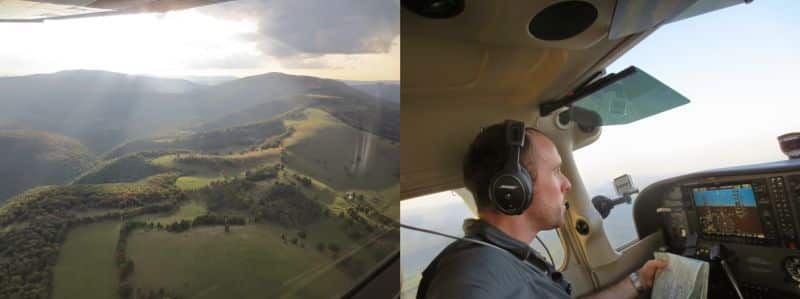 Jim flying over scenic landscapes while he monitors the controls.
On the surface, the domains are quite distinct. Digging a bit deeper, there are parallels to draw between flying a plane and successfully preparing for and responding to cybersecurity incidents. Jim joined Art Ocain on the podcast to discuss the topic. Similarities discussed include:
- Complexity: Like IT systems, planes and aviation are complex topics that have many nuances. There are massive amounts of systems that need to work in unison.
- Risk Management: Risk cannot be eliminated. There is risk involved when flying across the country. There is a risk to making bold business moves and using new IT technology. Being aware of the risk and managing it are the key parts.
- Collaboration: A single person or company cannot do it all. In aviation, there are specialists in the different parts of the aircraft. The same company that fuels the plane likely does not perform maintenance on the engines. In cybersecurity and incident response, relying on the right partner in the right realm results in better outcomes. The roles and responsibilities are known to all involved as well.
- Tracking and Processes: A repeatable framework for execution helps organize the incident response and reduces chaos. Checklists of tasks to perform and systems to check are important in both domains. Centralized tracking also gives visibility for the entire team involves.
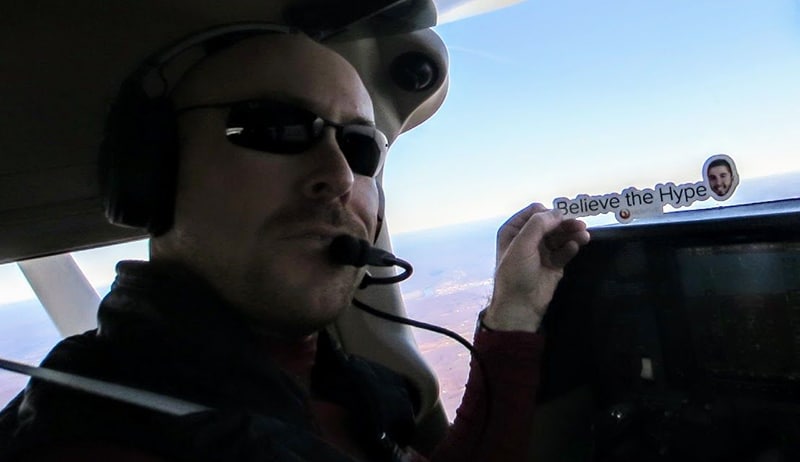 Jim showcasing a MOXFIVE sticker as he flies 4,000 feet above southeastern New York.
The ransomware recovery flight plan shared has elements of prevention, response, and resilience:
- Implement endpoint detection and response (EDR).
- Setup and require multi-factor authentication (MFA) for employees.
- Backup your systems and test the backup recovery process in a dedicated exercise.
- Build defense-in-depth to reduce the chance of new threat actor techniques to succeed.
Video Version
Listen to more episodes at www.airiam.com/podcast, on Spotify, Apple Podcasts, Google Podcasts, Amazon Music, and other podcast platforms.