Adding an Exchange Email Account to your Android Phone

Vivian Lee

Below are the instructions for adding your Exchange Email Account to your Android Phone. If you have any questions or problems, please contact us.

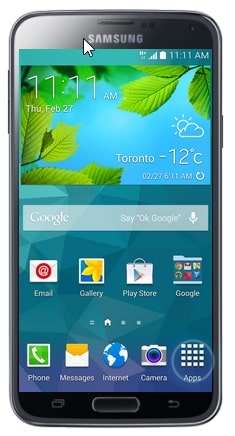
  1. Touch Apps.
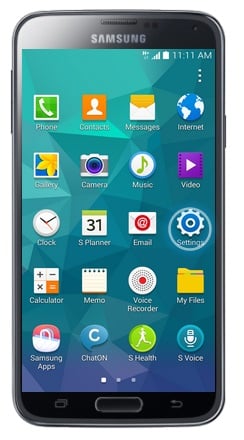
  2. Touch Settings.
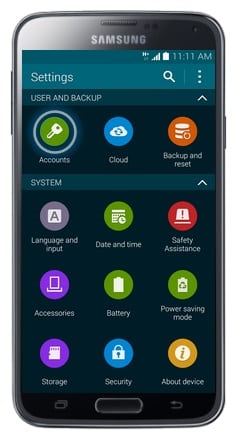
  3. Scroll to and touch Accounts.
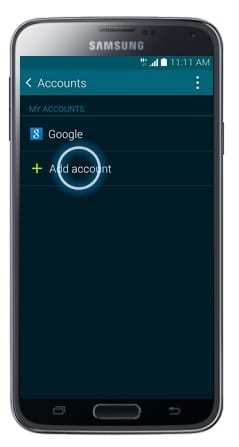
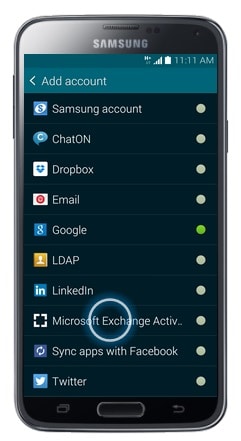
  4. Touch Add Account.
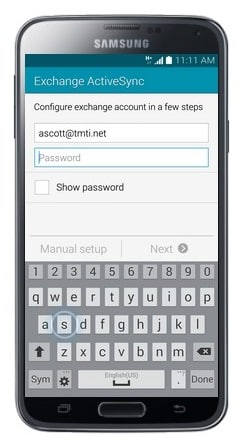
  5. Touch Microsoft Exchange ActiveSync.
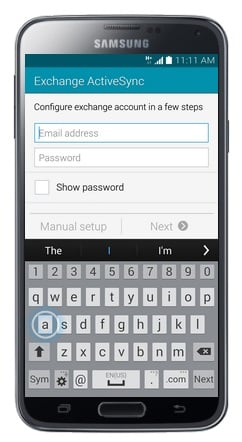
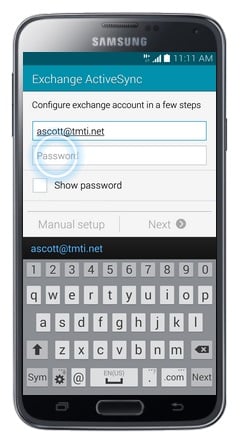
  6. Enter your workplace email address.
  7. Touch Password.
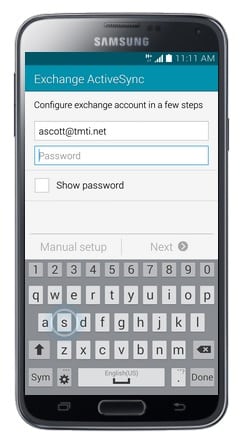
  8. Enter your email account Password.
  9. Touch Next.
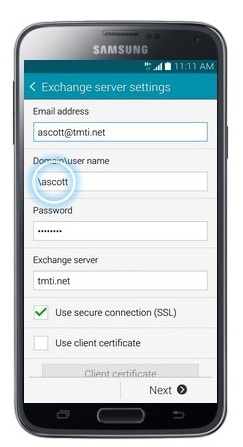
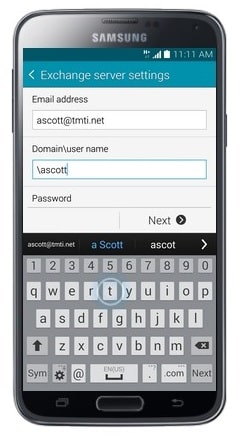
  10. Touch Domain\username.
  11. Leave the Domain blankJust type in \username. This is the first part of your email address before the “@” sign.
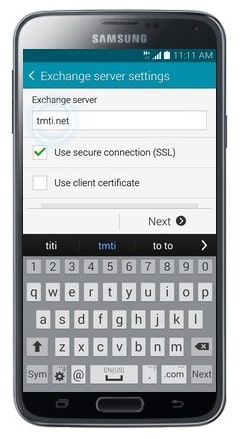
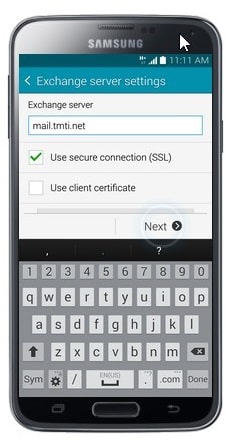
  12. Scroll to and touch Exchange Server.
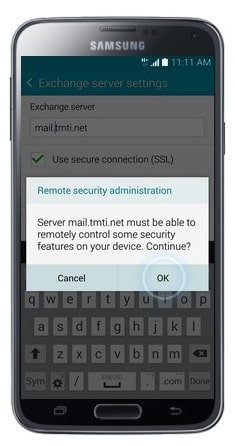
  13. Enter the Server address. (The Server for Office 365 is: outlook.office365.com)
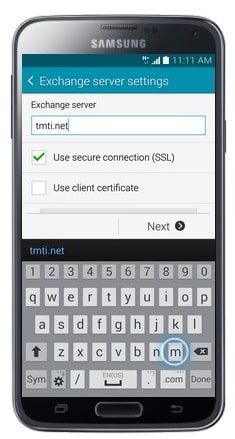
  14. Touch Next.
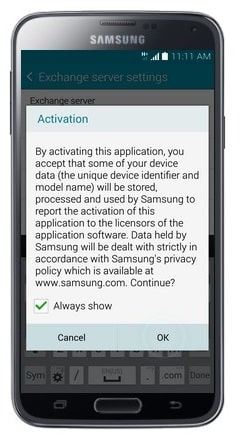
  15. Touch OK.
  16. Wait while the phone verifies the account.
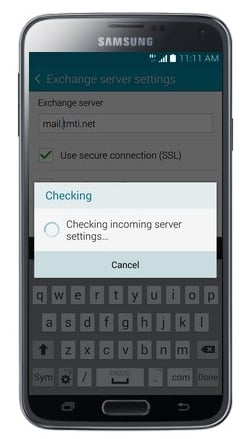
  17. Touch OK.
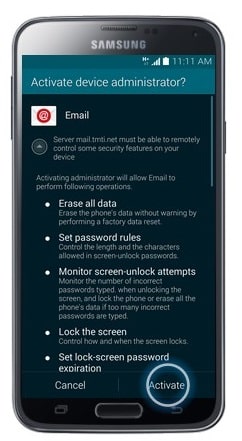
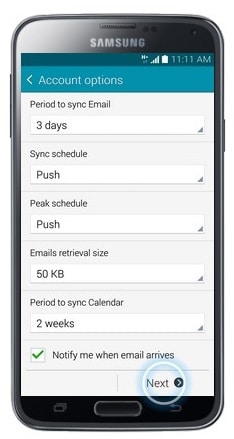
  18. Scroll down and touch Next. Some options will be pre-selected. You can change any of the displayed options before proceeding.
    <
  19. Touch Activate.
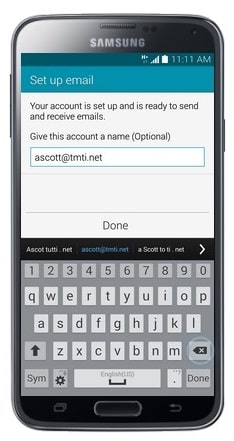
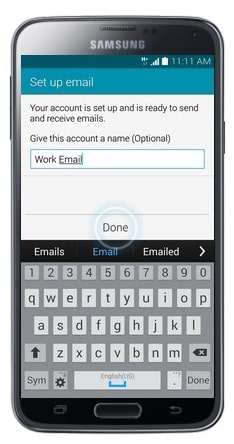
  20. Edit the Account Name if desired.
  21. Touch Done.
  22. The email account has been added. To view the email account, press the Home button.
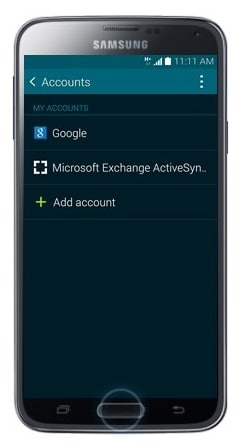
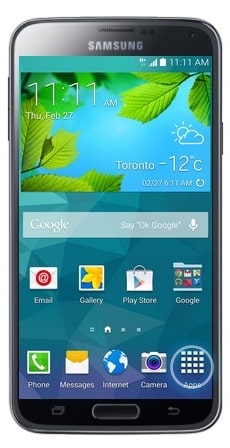
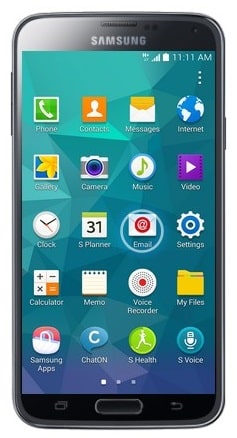
  23. Touch Apps.
  24. Touch EmailYour email will sync to your phone once you touch the Email button.
New Resources In Your Inbox

Get our latest cybersecurity resources, content, tips and trends.

Other resources that might be of interest to you.

Webinar: Disaster Recovery and Backups

  The need to protect your business’s data in 2023 will be higher than ever, and with it, the rising standards for storing backups. Disaster recovery and backups should be an ongoing, tested and maintained protection against cybercrime. Watch the
Vivian Lee
>>Read More

Patches Aren’t Just for Scarecrows

Scarecrows have patched overalls to hold their straw bodies together. If their overalls get a hole, the straw falls out, causing the poor scarecrow to end up on the ground as a pile of hay. Not good. Scarecrows need to keep their pants patched. And IT
Avatar photo
Tim Hetzel
>>Read More

Choosing the Right Remote Monitoring & Management (RMM) Tools

It was 4:30 on a typical Friday when the first signs appeared: slow network speeds followed by strange error messages. When Monday morning came around, the entire system was down. Customer data inaccessible. Operations halted. The IT team scrambling to